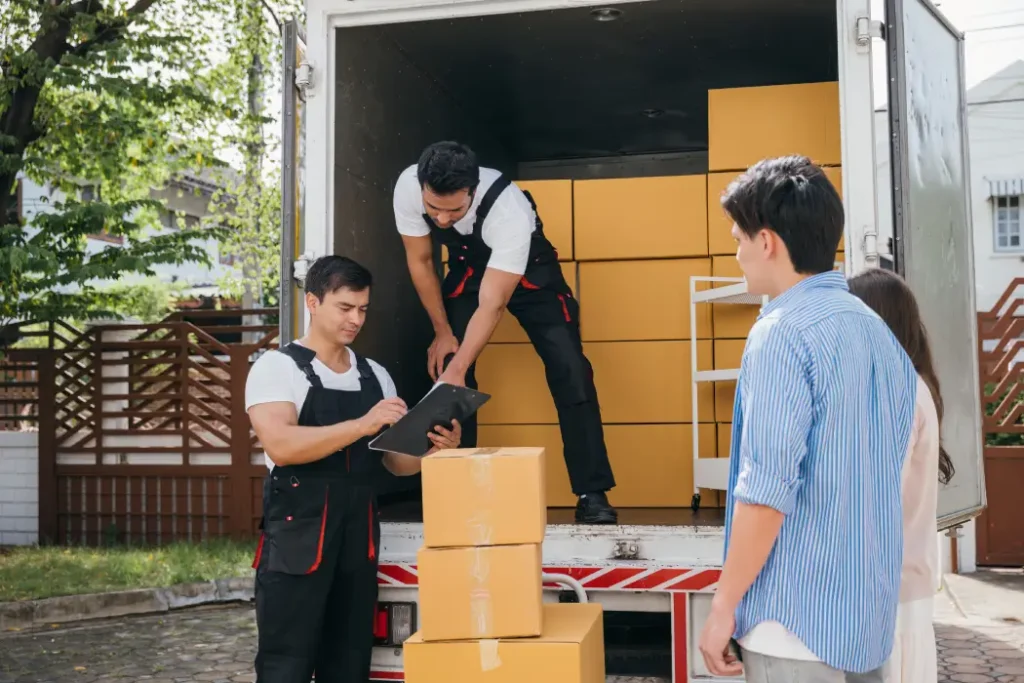
Apartment Moving: Complete Guide for a Smooth and Stress-Free Move
Apartment moving can be exciting, but relocating from one apartment to another requires careful planning and organization. Unlike moving from a standalone house, apartment moves often involve elevators, stairways, narrow hallways, parking restrictions, building management rules, and limited loading areas. These factors can make the process more complicated if you are not prepared.
Whether you are moving to a larger apartment, relocating to another neighborhood, or moving to a different city, proper preparation can make the entire experience easier. Professional movers and packers can assist with packing, furniture dismantling, loading, transportation, unloading, and unpacking.
This guide explains everything you need to know about apartment moving, from preparing your belongings and choosing a moving company to managing moving day and settling into your new apartment.
What Is Apartment Moving?
Apartment moving is the process of relocating household belongings from one apartment to another property. The move may be local, long-distance, or even cross-border, depending on the destination.
A professional apartment moving service may include:
- Packing household belongings
- Providing packing materials
- Furniture dismantling
- Loading boxes and furniture
- Transportation
- Unloading
- Furniture assembly
- Unpacking
- Placement of furniture
- Removal of packing materials
The exact services depend on the moving company and package selected.
Why Is Apartment Moving Different?
Moving an apartment can present challenges that may not occur when moving a house. Apartments often have shared entrances, elevators, parking restrictions, and building access rules.
For example, a large sofa may need to pass through a narrow hallway or elevator. Some buildings may require residents to reserve an elevator or notify management before moving furniture.
Understanding these restrictions before moving day can prevent delays.
Start Planning Your Apartment Move Early
One of the most effective ways to reduce moving stress is to begin planning early.
Create a moving schedule that includes:
- Moving date
- Packing schedule
- Moving company booking
- Building management notification
- Elevator reservation
- Parking arrangements
- Utility transfers
- Address changes
- Cleaning
- Key collection
- Final apartment inspection
Starting early gives you enough time to deal with unexpected problems.
Check Your Building’s Moving Rules
Before hiring movers, contact your current and new apartment management.
Ask about:
- Moving hours
- Elevator availability
- Service elevator requirements
- Parking rules
- Loading zones
- Building access
- Security requirements
- Insurance requirements
- Move-in or move-out fees
- Restrictions on large furniture
Some buildings only permit moving during specific hours. Knowing these rules beforehand helps the moving team plan accordingly.
Declutter Before Moving
Apartment space is often limited, so moving is an excellent opportunity to remove things you no longer need.
Go through your belongings and separate them into categories:
- Keep
- Sell
- Donate
- Recycle
- Dispose
Avoid spending money and effort transporting items that you no longer use.
Decluttering can also reduce the number of boxes and the amount of truck space required.
Create an Apartment Inventory
Before packing, make an inventory of your major belongings.
Include items such as:
- Sofas
- Beds
- Wardrobes
- Tables
- Chairs
- Televisions
- Computers
- Refrigerators
- Washing machines
- Kitchen appliances
- Electronics
- Valuable decorations
An inventory can help you keep track of your belongings during loading and unloading.
Packing for an Apartment Move
Packing is one of the most important parts of apartment relocation.
Start with belongings that you do not use every day. Seasonal clothing, decorations, books, spare kitchen equipment, and other rarely used items can be packed first.
Keep everyday essentials until closer to moving day.
Use Strong Packing Materials
Common packing materials include:
- Cardboard boxes
- Bubble wrap
- Packing paper
- Tape
- Stretch film
- Furniture blankets
- Plastic covers
- Labels
Use stronger boxes for heavier items and smaller boxes for books and other dense belongings.
Protect Fragile Items
Fragile belongings require additional protection.
These may include:
- Glassware
- Plates
- Mirrors
- Picture frames
- Electronics
- Decorative objects
- Lamps
Wrap individual items and use suitable padding inside the boxes.
Mark fragile boxes clearly so movers can identify them easily.
Label Boxes by Room
Clear labeling can make your new apartment much easier to organize.
For example:
KITCHEN – COOKING UTENSILS
BEDROOM – CLOTHING
LIVING ROOM – DECORATIONS
OFFICE – COMPUTER EQUIPMENT
Room-based labeling helps movers place boxes in the correct areas of your new apartment.
Measure Large Furniture
Measuring furniture before moving day is particularly important for apartment relocations.
Measure:
- Sofas
- Beds
- Wardrobes
- Dining tables
- Cabinets
- Large appliances
Also measure doorways, elevators, staircases, and hallways where necessary.
A piece of furniture that fits comfortably in one apartment may not fit through the entrance or elevator of another building.
Prepare Furniture for Moving
Large furniture may need to be dismantled before transportation.
Beds, tables, wardrobes, shelving units, and some cabinets can often be separated into smaller components.
Professional movers may provide dismantling and reassembly services.
Keep screws, bolts, and small hardware in labeled bags so they do not get lost.
Moving Large Appliances
Household appliances require careful handling.
Common appliances include:
- Refrigerator
- Washing machine
- Dryer
- Dishwasher
- Microwave
- Television
- Air conditioner
Before moving appliances, check the manufacturer’s recommendations and disconnect them properly.
Some appliances may need additional preparation before transportation.
Elevator Planning for Apartment Moving
The elevator is one of the most important considerations in an apartment move.
If your building has a service elevator, reserve it in advance if required.
Tell the moving company about:
- Elevator size
- Elevator availability
- Number of floors
- Building access hours
- Elevator reservation requirements
If the elevator is unavailable, movers may need to use stairs, which can increase the time and labor required.
Parking and Loading Access
Parking can be a major issue during apartment moving.
A moving truck needs sufficient space to load and unload furniture safely.
Check whether your building provides:
- Loading zones
- Reserved parking
- Service entrances
- Truck access
- Parking permits
Inform the movers about any restrictions before they arrive.
Choosing an Apartment Moving Company
Choosing the right moving company can significantly affect your moving experience.
Look for a company that has experience with apartment relocations and understands the challenges associated with elevators, stairs, parking, and building access.
Ask About Experience
Ask whether the company regularly handles apartment moves.
Experienced movers may be familiar with common apartment-related challenges and can plan accordingly.
Request a Detailed Quote
Ask for a written quotation that explains the services included.
The quotation may cover:
- Labor
- Transportation
- Packing
- Packing materials
- Furniture dismantling
- Furniture assembly
- Additional floors
- Waiting time
- Extra trips
A detailed quote makes it easier to understand the expected cost.
Check Customer Reviews
Customer reviews can provide information about punctuality, communication, handling of belongings, and service quality.
Look for feedback related specifically to apartment moving when possible.
How Much Does Apartment Moving Cost?
Apartment moving costs vary depending on several factors.
The main factors include:
- Apartment size
- Number of belongings
- Moving distance
- Number of movers
- Truck size
- Packing requirements
- Number of floors
- Elevator availability
- Parking conditions
- Furniture dismantling
- Special or fragile items
- Moving date
A small studio apartment with limited furniture may require significantly fewer resources than a large multi-bedroom apartment.
For an accurate estimate, provide the moving company with details about your apartment, belongings, locations, access conditions, and required services.
Moving Day Essentials
Prepare an essentials bag before the movers arrive.
It can include:
- Change of clothes
- Toiletries
- Phone charger
- Important documents
- Medicines
- Snacks
- Water
- Basic cleaning supplies
- Towels
- Basic kitchen items
Keeping these items separate prevents you from searching through multiple boxes after reaching the new apartment.
Keep Valuables With You
Important documents, jewelry, cash, electronic devices, and other highly valuable personal belongings should be handled carefully.
Where practical, transport important personal items yourself rather than placing them in the moving truck.
Moving With Children
Apartment moving can be challenging for children because their normal environment changes.
Prepare a small bag containing their essential belongings, clothing, snacks, books, and favorite items.
Keep children away from loading areas and heavy furniture during moving activities.
Moving With Pets
Pets can become stressed during relocation.
Keep pets in a secure and quiet area while movers are loading and unloading.
During transportation, follow appropriate pet transportation practices and make sure your pet has access to necessary food, water, and identification.
Protect Your Apartment
Moving furniture through narrow hallways and entrances can potentially cause scratches or damage.
Movers can use protective blankets, floor coverings, corner protection, and suitable lifting equipment.
Before moving begins, identify any existing damage in the apartment and document it when necessary.
Unloading at Your New Apartment
When the moving truck reaches your new apartment, tell movers where major furniture should go.
For example:
- Sofa → Living room
- Bed → Bedroom
- Dining table → Dining area
- Refrigerator → Kitchen
- Desk → Home office
Giving clear instructions can prevent unnecessary furniture movement after unloading.
Unpacking Your Apartment
You do not need to unpack everything on the first day.
Start with the areas you need immediately.
A practical order is:
- Bedroom
- Bathroom
- Kitchen
- Living room
- Home office
- Storage areas
Once essential rooms are ready, continue unpacking gradually.
Common Apartment Moving Mistakes
Not Checking Elevator Rules
Failing to reserve an elevator can cause significant delays.
Ignoring Parking Restrictions
A moving truck needs suitable access. Confirm parking arrangements before moving day.
Packing Without Labels
Unlabeled boxes can make unpacking unnecessarily difficult.
Forgetting to Measure Furniture
Large furniture may not fit through certain doors, hallways, or elevators.
Waiting Until the Last Minute
Rushed packing increases the possibility of forgotten items and damaged belongings.
Choosing Only by Price
The lowest quotation may not include all required services. Compare what each moving package actually provides.
Tips for a Smooth Apartment Move
Start planning several weeks ahead whenever possible. Declutter before packing, label every box, and prepare an inventory of valuable belongings.
Confirm building rules with management and communicate elevator and parking requirements to your movers.
Measure large furniture and doorways before moving day.
Keep important documents and essential belongings separate.
Finally, make sure the moving company understands the exact services you require and request a clear quotation before confirming the booking.
Final Thoughts
Apartment moving becomes much easier when every part of the process is planned in advance. From decluttering and packing to elevator reservations, furniture transportation, unloading, and unpacking, organization can help prevent unnecessary delays and stress.
Professional apartment movers can handle the physical work and provide equipment, transportation, and packing assistance according to your requirements.
Whether you are moving from a studio, one-bedroom apartment, or a large multi-bedroom property, preparing early and communicating clearly with your moving company can make your relocation more efficient and manageable.
Frequently Asked Questions
1. What is apartment moving?
Apartment moving is the process of relocating household belongings from one apartment to another. It can include packing, loading, transportation, unloading, furniture assembly, and unpacking.
2. How early should I book apartment movers?
Booking early is recommended, especially when moving during weekends, holidays, or busy periods. Early booking gives you more flexibility with dates and moving times.
3. Do apartment movers provide packing services?
Many moving companies offer full or partial packing services. These may include boxes, wrapping materials, labeling, and packing household belongings.
4. How much does apartment moving cost?
The cost depends on apartment size, moving distance, number of belongings, labor, vehicle requirements, packing services, floors, elevators, and other factors.
5. Can movers move furniture through an elevator?
Yes, movers can generally use elevators when permitted by the building. However, you may need to reserve a service elevator or follow specific building rules.
6. What if my apartment does not have an elevator?
Movers can usually carry belongings using stairs, but additional labor and time may be required depending on the number of floors and amount of furniture.
7. Should I dismantle furniture before moving?
Some furniture can be dismantled to make transportation easier. Many professional moving companies can provide dismantling and reassembly services.
8. How can I protect fragile belongings?
Use bubble wrap, packing paper, suitable boxes, and padding. Label fragile boxes clearly and avoid placing heavy items on top of delicate belongings.
9. Should I label my moving boxes?
Yes. Label boxes according to their destination room and contents. This makes unloading and unpacking much easier.
10. Can movers transport large appliances?
Professional movers can generally transport common household appliances. Appliances should be prepared and disconnected appropriately before transportation.
11. What should I keep with me during an apartment move?
Keep important documents, valuables, medicines, chargers, basic clothing, toiletries, and other essential items with you rather than placing them in ordinary moving boxes.
12. Do I need to tell my apartment management about the move?
In many apartment buildings, residents need to notify management and follow moving procedures. Check the building’s rules before scheduling your move.
13. How can I make apartment moving easier?
Start early, declutter your belongings, label boxes, measure furniture, reserve elevators if necessary, arrange parking, and communicate all requirements to your moving company.
14. Can professional movers unpack my belongings?
Some full-service moving companies offer unpacking services. Confirm whether unpacking is included in your selected package.
15. What is the biggest challenge when moving an apartment?
Common challenges include elevator restrictions, narrow hallways, stairs, parking limitations, building access rules, and moving large furniture through restricted spaces. Proper planning can help manage these issues.