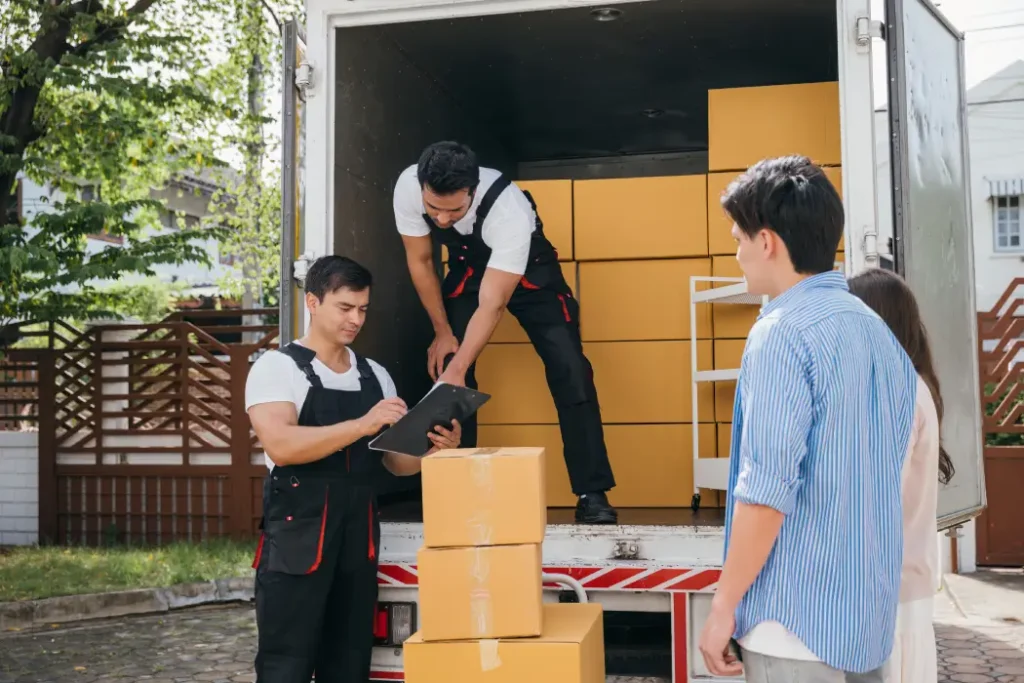
Complete House Moving: A Step-by-Step Guide for a Stress-Free Move
Moving to a new home is an exciting experience, but it can also become stressful when you have to organize packing, furniture transportation, loading, unloading, and unpacking. A complete house moving service can make the entire process easier by handling the major tasks involved in relocating your household belongings.
Whether you are moving to another neighborhood, across the city, or to a different state or region, proper planning can help protect your belongings, reduce delays, and keep moving costs under control. Professional movers and packers can manage everything from packing individual items to transporting heavy furniture and arranging your belongings at the new property.
This guide explains everything you need to know about complete house moving, including preparation, packing, transportation, costs, moving-day tips, and frequently asked questions.
What Is Complete House Moving?
Complete house moving refers to a full-service relocation process where professional movers assist with most or all aspects of moving a household from one property to another.
Instead of hiring separate companies for packing, transportation, loading, and unloading, a complete moving service can combine these tasks into one organized service.
Depending on the moving company and package selected, services may include:
- Pre-move planning
- Packing household belongings
- Providing packing materials
- Dismantling furniture
- Loading items
- Transportation
- Unloading
- Furniture assembly
- Unpacking
- Placement of furniture
- Removal of packing materials
The exact services vary between moving companies, so it is important to confirm what is included before booking.
Why Choose Professional House Moving Services?
Moving an entire household requires time, equipment, transportation, and careful organization. Professional movers have experience handling different types of household items and can help make the process more efficient.
Saves Time
Packing an entire home can take several days or even weeks. Professional movers can complete many packing and loading tasks much faster because they work as a team and use established procedures.
This can be especially useful for families, professionals, and people with limited time before their moving date.
Reduces Physical Work
Furniture, appliances, boxes, mattresses, and other household items can be difficult to lift. Professional movers use appropriate equipment and teamwork to move heavy objects more safely.
This reduces the physical workload for homeowners.
Better Packing Organization
Professional packing teams generally organize belongings by room and category. Proper labeling can make it easier to identify boxes when they arrive at the new home.
For example, boxes can be labeled:
- Kitchen
- Bedroom
- Living room
- Bathroom
- Office
- Fragile
- Electronics
Suitable Transportation
Moving companies can provide vehicles appropriate for the size of the move. A small apartment may require a smaller truck, while a large household may need a larger vehicle or multiple trips Complete House Moving.
Choosing the correct vehicle can help reduce unnecessary transportation costs. Complete House Moving
How to Prepare for a Complete House Move
Good preparation is one of the most important parts of a successful move. Starting early gives you enough time to organize belongings and identify items that should not be transported.
Create a Moving Plan
Start by creating a basic moving schedule. Write down important tasks and assign a deadline to each one.
Your plan can include:
- Moving date
- Packing start date
- Utility cancellation or transfer
- Address changes
- Moving company booking
- Cleaning dates
- Key collection
- Furniture dismantling
- Final inspection
A written plan helps prevent important tasks from being forgotten.
Sort Your Belongings
Before packing, go through each room and decide what you actually want to take to your new home.
Separate belongings into four groups:
- Keep
- Donate
- Sell
- Dispose
Moving is a good opportunity to reduce unnecessary possessions. Fewer items mean fewer boxes, less space required in the truck, and potentially lower moving costs.
Prepare Important Documents
Keep important documents separately rather than placing them inside ordinary moving boxes.
These may include:
- Identification documents
- Property documents
- Financial records
- Insurance documents
- School records
- Employment documents
- Medical records
- Moving contracts
Transport these documents personally whenever possible.
Packing Your Household Belongings
Packing is one of the most time-consuming parts of a house move. Good packing protects your possessions and makes unloading easier.
Use Suitable Packing Materials
Common packing materials include:
- Strong cardboard boxes
- Bubble wrap
- Packing paper
- Stretch film
- Furniture blankets
- Tape
- Protective covers
- Labels
- Plastic containers
Fragile items require additional protection. Glassware, dishes, mirrors, decorations, and electronic equipment should be wrapped carefully.
Pack Room by Room
Packing room by room makes the process easier to manage.
Start with items that are rarely used. Seasonal clothing, decorations, books, spare kitchen equipment, and storage items can usually be packed before everyday essentials.
Leave frequently used belongings for the final stage.
Label Every Box
Clear labeling can save considerable time during unpacking.
Write the destination room and a brief description of the contents on each box. For example:
MASTER BEDROOM – CLOTHES
KITCHEN – GLASSWARE – FRAGILE
You can also number boxes and create a simple inventory list.
Moving Furniture and Large Appliances
Large furniture and appliances require additional planning.
Items such as wardrobes, beds, sofas, refrigerators, washing machines, dining tables, and cabinets may need to be dismantled before transportation.
Professional movers can often dismantle suitable furniture before loading and reassemble it at the destination.
Appliances should be prepared according to their type. Refrigerators, washing machines, dryers, and other appliances may require preparation before transportation.
For valuable or specialized equipment, follow the manufacturer’s transportation instructions.
Protecting Your Home During the Move
Moving involves frequent movement between the old property, vehicle, and new property. Floors, walls, doors, and furniture can potentially be damaged if proper precautions are not taken.
Protective measures can include:
- Covering floors
- Protecting door frames
- Using furniture blankets
- Wrapping furniture corners
- Securing drawers and doors
- Using appropriate lifting equipment
Discuss these precautions with your moving company before moving day.
Choosing the Right Moving Company
Choosing a suitable moving company is an important part of the relocation process.
Look for a company that provides clear information about its services, pricing, transportation, and scheduling.
Consider the following factors:
Experience
An experienced moving team may be better prepared to handle different household items and unexpected moving challenges.
Services Offered
Confirm whether the company provides packing, loading, transportation, unloading, unpacking, furniture assembly, and other services you require.
Equipment
Ask whether the company has suitable trucks, moving blankets, trolleys, lifting equipment, and other necessary tools.
Pricing Transparency
Request a detailed quotation before booking. Ask whether there are additional charges for stairs, long-distance transportation, extra workers, packing materials, waiting time, or additional trips.
Reviews and Reputation
Customer reviews can provide useful information about punctuality, communication, handling of belongings, and overall service experience.
How Much Does Complete House Moving Cost?
The cost of a complete house move varies considerably depending on several factors.
Important factors include:
- Distance between properties
- Number of household items
- Size of the home
- Number of movers required
- Vehicle size
- Packing requirements
- Furniture dismantling
- Number of floors
- Elevator availability
- Fragile or specialized items
- Storage requirements
- Moving date
A local move involving a small apartment will generally require fewer resources than relocating a large family home over a long distance.
The best way to understand the actual cost is to request a detailed quotation based on your specific requirements.
Moving Day Checklist
Moving day can become busy, so having a checklist is helpful.
Before the movers arrive, make sure:
- Important documents are separated
- Valuable personal items are secure
- Essential medicines are packed separately
- Chargers are accessible
- Complete House Moving
- Children and pets are kept away from heavy moving activity
- Boxes are labeled
- Parking space is available
- Pathways are clear
- Keys are ready
- Utilities are checked
Prepare an essential box or bag containing items you may need immediately after arriving at your new home.
This can include:
- Clothes
- Toiletries
- Phone chargers
- Towels
- Basic kitchen items
- Snacks
- Drinking water
- Cleaning supplies
- Important documents
Loading and Transportation
Once everything is packed, movers carefully load boxes and furniture into the vehicle.
Heavier items are generally positioned appropriately to help maintain stability, while fragile belongings require additional protection.
Furniture may be covered with protective materials before loading.
During transportation, boxes should be secured to minimize unnecessary movement.
For long-distance moves, confirm the expected travel schedule and make sure you have the moving company’s contact information.
Unloading at Your New Home
When the vehicle reaches the destination, movers unload the belongings according to your instructions.
It is useful to tell the moving team where major furniture should be placed before unloading begins.
For example:
- Sofa → living room
- Bed → master bedroom
- Dining table → dining area
- Refrigerator → kitchen
- Wardrobe → bedroom
Clear instructions can reduce the need to move heavy furniture multiple times.
Unpacking and Settling In
Once the furniture and boxes are inside your new home, begin with essential areas rather than trying to unpack everything at once.
A practical order is:
- Bedroom
- Bathroom
- Kitchen
- Living room
- Home office
- Storage areas
Setting up the bedroom early can make the first night much more comfortable.
Do not throw away all packaging materials immediately if valuable or fragile items still need to be inspected.
Common House Moving Mistakes to Avoid
Several mistakes can make moving more expensive or stressful.
Leaving Packing Until the Last Minute
Starting too late often results in rushed packing and poorly labeled boxes.
Moving Unnecessary Items
Transporting belongings you no longer need increases the workload and can increase costs.
Choosing a Company Based Only on Price
The cheapest quotation may not include all the services you need. Compare the complete service package rather than looking only at the initial price.
Forgetting to Measure Furniture
Large furniture may not fit through narrow doors, stairways, elevators, or hallways.
Measure large items and check access routes before moving day.
Not Preparing an Essentials Bag
Without essential supplies, you may have to search through multiple boxes after arriving at your new home Complete House Moving .
Tips for a Smooth and Stress-Free Move
A successful move is mainly about organization.
Book your movers early, particularly if you plan to move during a busy period. Start packing non-essential items ahead of time and keep an inventory of valuable belongings.
Communicate clearly with the moving company about the number of rooms, large furniture, stairs, elevators, parking conditions, and destination access.
Also confirm the moving date, arrival time, services included, payment terms, and any additional charges before moving day.
Final Thoughts
Complete house moving can be much easier when the process is properly planned and organized. From packing and furniture dismantling to loading, transportation, unloading, and unpacking, professional movers can handle many of the tasks involved in relocating a household.
The key is to start preparing early, reduce unnecessary belongings, pack carefully, label boxes clearly, and choose a moving company that provides transparent services and pricing.
Whether you are moving across town or relocating to another city, a structured moving plan can help protect your belongings and make the transition to your new home more convenient.
Frequently Asked Questions
1. What does complete house moving include?
Complete house moving may include packing, packing materials, furniture dismantling, loading, transportation, unloading, furniture assembly, unpacking, and placement of belongings. Services vary by company.
2. How early should I book a moving company?
It is generally better to book movers as early as possible, particularly for weekends, holidays, and busy moving periods. Early booking gives you more flexibility with your preferred moving date.
3. Do movers provide packing materials?
Many professional moving companies offer packing materials such as boxes, tape, bubble wrap, furniture covers, and protective blankets. Confirm what is included in your quotation.
4. Can movers pack the entire house?
Yes. Full-service moving companies may provide complete packing services, including wrapping fragile items, packing boxes, labeling, and preparing furniture for transportation.
5. How can I reduce house moving costs?
You can potentially reduce costs by removing unwanted belongings before moving, packing some items yourself, choosing an appropriate vehicle size, and comparing detailed quotations from different moving companies.
6. Can movers dismantle and assemble furniture?
Many moving companies offer furniture dismantling and assembly. Ask the company in advance whether this service is included in your package.
7. How should I pack fragile items?
Wrap fragile items individually using suitable protective materials and place them in strong boxes. Avoid leaving empty spaces that allow items to move during transportation, and clearly label fragile boxes.
8. What should I keep with me during the move?
Keep important documents, valuables, medicines, chargers, essential clothing, toiletries, and other immediately necessary items with you rather than placing them in the moving truck.
9. Can movers transport appliances?
Professional movers can generally transport common household appliances. However, appliances may need specific preparation before transportation, so discuss them with the moving company beforehand.
10. How long does a complete house move take?
The duration depends on the size of the household, distance, number of movers, packing requirements, access conditions, and amount of furniture. A small local move may take significantly less time than a large long-distance relocation.
11. Should I label my moving boxes?
Yes. Labeling boxes by room and contents makes unloading and unpacking much easier. Consider marking fragile boxes clearly.
12. What should I do before movers arrive?
Complete as much packing as possible if packing is not included, secure valuables and documents, clear pathways, arrange parking, label boxes, and communicate any special instructions to the moving team.
13. Can movers handle long-distance house moves?
Many moving companies offer long-distance relocation services. Confirm the transportation distance, delivery schedule, vehicle type, pricing, and included services before booking.
14. Is professional house moving worth considering?
Professional movers can save time and physical effort by handling packing, lifting, transportation, and unloading. The value depends on your budget, available time, distance, household size, and moving requirements.