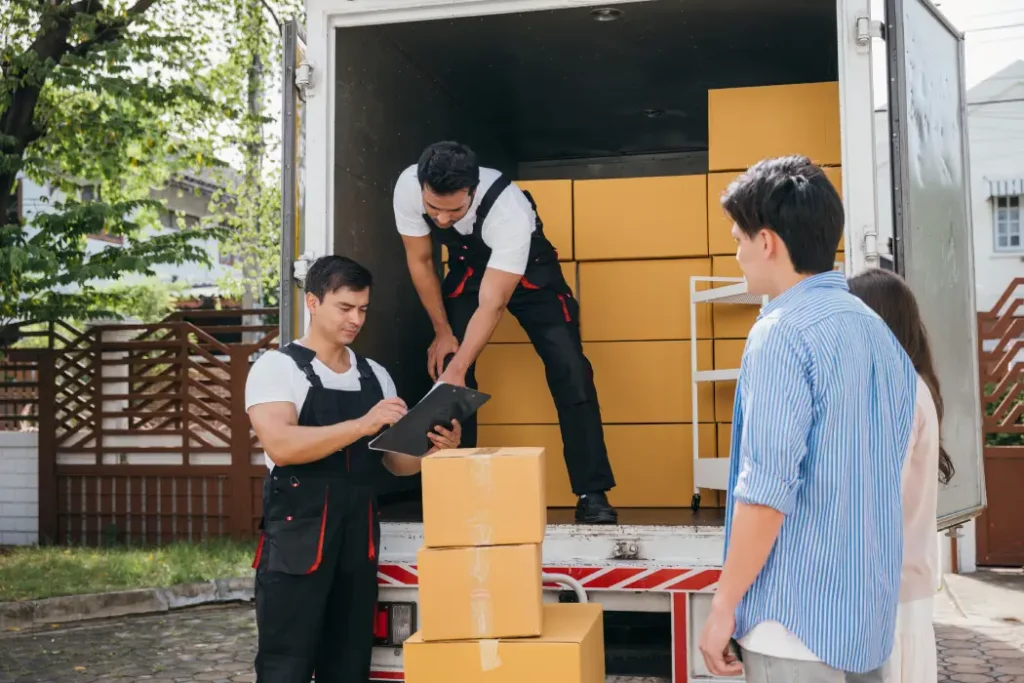
Solve Your Home Shifting Problems: A Complete Guide to Stress-Free Relocation
Moving to a new home is an exciting milestone, but it can also be one of the most stressful experiences in life. From packing fragile items to organizing transportation and settling into a new environment, home shifting often involves many challenges. Without proper planning, the process can quickly become overwhelming. Home shifting involves much more than simply transporting items from one place to another. It requires detailed planning, coordination, and careful handling of belongings. Some of the most common challenges people face during relocation include: However, with the right strategies, preparation, and professional help, you can solve your home shifting problems and enjoy a smooth relocation experience Solve Your Home Shifting Problems.
In this comprehensive guide, we will explore common home shifting challenges, practical solutions, and expert tips to make your move easier, faster, and stress-free.
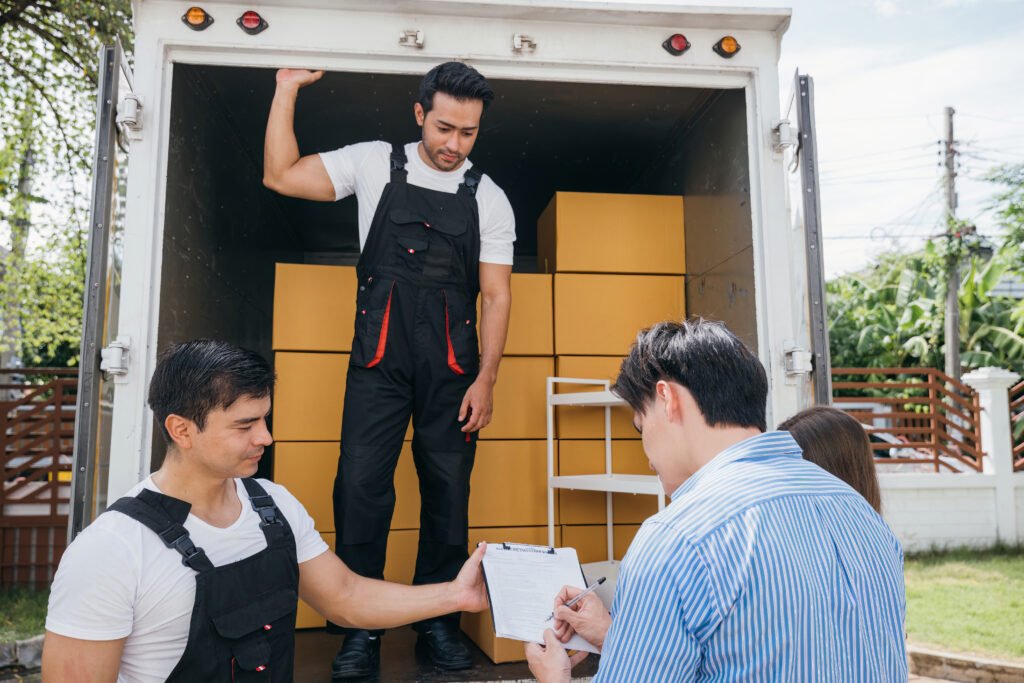
Understanding the Challenges of Home Shifting Solve Your Home Shifting Problems
Home shifting involves much more than simply transporting items from one place to another. It requires detailed planning, coordination, and careful handling of belongings. Some of the most common challenges people face during relocation include Solve Your Home Shifting Problems
1. Time Management Issues
Many people underestimate how long the moving process takes. Packing, labeling, cleaning, and arranging transportation can take days or even weeks. Without proper scheduling, last-minute rush can cause stress and confusion.
2. Packing Difficulties
Packing is one of the most time-consuming tasks during a move. Fragile items like glassware, electronics, and decorative pieces require special care to avoid damage. Improper packing can result in broken or lost items.
3. Heavy Furniture Handling
Moving large furniture pieces such as beds, wardrobes, sofas, and appliances can be physically challenging and risky without the right equipment or manpower.
4. Transportation Problems
Finding reliable transportation for your belongings can also be difficult. Poorly managed logistics may lead to delays, damaged goods, or misplaced items Solve Your Home Shifting Problems.
5. Emotional Stress
Moving homes is not just a physical task; it also carries emotional weight. Leaving a familiar place and adapting to a new environment can be stressful for individuals and families alike.
Smart Solutions to Solve Your Home Shifting Problems
Fortunately, there are several ways to make the moving process easier and more organized. Here are some practical solutions to overcome common home shifting challenges Solve Your Home Shifting Problems.
1. Plan Your Move in Advance
Planning is the key to a successful relocation. Start preparing at least 3–4 weeks before your moving date. Create a checklist that includes tasks such as:
- Sorting and decluttering belongings
- Purchasing packing supplies
- Booking movers or transportation
- Notifying utility providers
- Updating your address
- Solve Your Home Shifting Problems
Having a detailed plan ensures that nothing is overlooked and helps reduce last-minute stress.
2. Declutter Before Packing
Moving is the perfect opportunity to get rid of unnecessary items. Many households accumulate belongings that are rarely used. Before packing, separate items into categories:
- Keep
- Donate
- Sell
- Discard
Decluttering reduces the number of items you need to move, saving both time and money.
3. Use High-Quality Packing Materials
Using proper packing materials is essential to protect your belongings during transit. Some important packing supplies include:
- Strong cardboard boxes
- Bubble wrap
- Packing paper
- Foam sheets
- Packing tape
- Labels and markers
Fragile items should be wrapped carefully with bubble wrap and placed in sturdy boxes with sufficient cushioning.
4. Label All Boxes Clearly
One of the biggest moving mistakes is not labeling boxes. Proper labeling makes unpacking easier and prevents confusion when arranging items in your new home.
Label boxes with:
- Room name
- Item description
- Fragile indicators (if needed)
For example:
“Kitchen – Glassware – Fragile”
This simple step can save hours of frustration later.
5. Disassemble Large Furniture
Large furniture can be difficult to move through doorways, hallways, or elevators. Disassembling items like beds, tables, and shelves makes transportation easier and prevents damage.
Keep all screws and small parts in labeled plastic bags so they are easy to find during reassembly.
6. Hire Professional Movers
One of the best ways to solve home shifting problems is by hiring experienced movers. Professional moving companies provide services such as:
- Packing and unpacking
- Loading and unloading
- Transportation
- Furniture dismantling and assembly
- Safe handling of fragile items
Hiring professionals not only saves time but also ensures the safety of your belongings.
7. Pack an Essentials Box
During the first day in your new home, you may not immediately unpack everything. Therefore, it is helpful to pack an essentials box containing important items such as:
- Toiletries
- Mobile chargers
- Basic kitchen utensils
- Important documents
- Change of clothes
- Snacks and water
Having these items easily accessible will make your first night in the new home much more comfortable.
8. Protect Important Documents
Documents like passports, property papers, medical records, and financial documents should always be kept separately from regular moving boxes.
Use a dedicated folder or bag and carry it with you personally to avoid the risk of loss.
9. Take Photos Before Packing Electronics
Electronics often involve multiple cables and connections. Before unplugging devices such as televisions, computers, or routers, take photos of the setup.
These photos will help you reconnect everything correctly after moving.
10. Inspect Your New Home Before Moving In
Before moving your belongings into the new house, inspect the space carefully. Check for:
- Cleanliness
- Electrical outlets
- Plumbing issues
- Internet connection availability
- Safety of stairs and hallways
Fixing small issues beforehand can prevent inconvenience later.
Benefits of Professional Home Shifting Services
Many people attempt to manage relocation on their own, but professional moving services can significantly simplify the process. Here are some advantages:
1. Saves Time
Professional movers have the expertise and equipment to complete the job efficiently.
2. Reduces Stress
Experienced teams handle the heavy lifting, allowing you to focus on settling into your new home.
3. Ensures Safety
Professional packing techniques reduce the risk of damage to valuable or fragile items.
4. Insurance Protection
Many moving companies provide insurance coverage, offering additional peace of mind.
5. Organized Moving Process
Professional movers follow systematic procedures that make relocation smoother and more efficient.
Tips for a Smooth Moving Day
Even with careful preparation, moving day can be hectic. Follow these tips to keep everything running smoothly:
Start Early
Begin the moving process early in the morning to allow enough time for loading, transportation, and unloading.
Keep Communication Clear
Maintain communication with the moving team and provide clear instructions regarding fragile items and special handling requirements.
Double-Check All Rooms
Before leaving your old house, check every room, cupboard, and storage area to ensure nothing is left behind.
Keep Cash for Small Expenses
Unexpected expenses such as parking fees, tips, or extra packing supplies may arise.
Settling Into Your New Home
After the move is complete, the next step is making your new house feel like home.
Unpack Room by Room
Start with essential areas such as the kitchen, bedroom, and bathroom.
Arrange Furniture First
Place large furniture pieces before unpacking smaller items.
Meet Your Neighbors
Building friendly relationships with neighbors helps you feel comfortable in your new community.
Update Your Address
Inform banks, postal services, and subscriptions about your new address.
Common Mistakes to Avoid During Home Shifting
Many moving problems occur due to avoidable mistakes. Be careful to avoid these common errors:
- Waiting until the last minute to pack
- Using weak or damaged boxes
- Forgetting to label boxes
- Overpacking boxes with heavy items
- Not hiring professional help when needed
Avoiding these mistakes can make the entire relocation process much easier.
The Future of Home Relocation Services
The moving industry is evolving with new technologies and services designed to improve customer experience. Modern moving companies now offer:
- Online booking systems
- Real-time tracking of moving trucks
- Digital inventory management
- Eco-friendly packing materials
These innovations are making home shifting more convenient and transparent than ever before.
Conclusion
Home shifting does not have to be a stressful experience. With proper planning, efficient packing, and professional assistance, you can solve your home shifting problems and enjoy a smooth transition to your new home.
The key is to stay organized, start preparations early, and focus on practical solutions. Whether you are moving across the city or to a different region, following the tips in this guide will help ensure a safe, efficient, and hassle-free relocation.
Moving into a new home marks the beginning of an exciting chapter in life. By approaching the process with the right mindset and preparation, you can turn what seems like a complicated task into a positive and rewarding experience.
FAQs About Home Shifting
1. How early should I start preparing for home shifting?
It is recommended to start planning your move at least 3–4 weeks in advance to allow enough time for packing, organizing, and scheduling movers.
2. What is the best way to pack fragile items?
Use bubble wrap, foam sheets, and sturdy boxes. Place fragile items carefully with enough cushioning and label the boxes as “Fragile.”
3. Should I hire professional movers or move by myself?
Hiring professional movers is usually the safer and more efficient option, especially for large households or long-distance relocations.
4. How can I reduce moving costs?
You can reduce costs by decluttering unwanted items, packing some belongings yourself, and scheduling the move during weekdays when demand is lower.
5. What items should not be packed with regular household goods?
Important documents, jewelry, cash, and personal valuables should always be carried separately.
6. How long does home shifting usually take?
The duration depends on the size of the house and distance of the move, but most local moves can be completed within a day.
7. How do I prepare my appliances for moving?
Clean appliances, disconnect them safely, and secure loose parts with tape or protective padding.
8. What should I do if something gets damaged during the move?
If you hired professional movers, contact the company immediately and file a claim if insurance coverage is provided.