Packing Tips for Moving House
Packing is one of the most important parts of any house move. Whether you’re relocating to a nearby neighborhood or moving to another city, proper packing helps protect your belongings, saves time, and makes unpacking much easier. Without a good packing strategy, you risk damaged items, misplaced essentials, and unnecessary stress on moving day.
Professional movers know that successful relocations begin with organized packing. By using the right materials, planning ahead, and following proven techniques, you can make your move smoother and more efficient.
This comprehensive guide shares practical packing tips that will help you pack like a professional while keeping your belongings safe throughout the journey.
Why Proper Packing Matters
Packing is more than simply placing items into boxes. A well-planned packing process offers several benefits:
- Protects fragile belongings from damage
- Makes loading and unloading easier
- Saves time during unpacking
- Helps movers handle boxes correctly
- Reduces moving-day stress
- Prevents items from getting lost
- Makes better use of moving space
Investing a little extra time in packing can save hours of frustration later.
Start Packing Early
One of the biggest moving mistakes is waiting until the last minute. Packing in a hurry often leads to broken items, missing belongings, and poorly labeled boxes.
Start packing at least 4–6 weeks before moving day. Begin with items you rarely use, such as:
- Seasonal clothing
- Holiday decorations
- Books
- Artwork
- Guest room items
- Extra kitchenware
Packing a little each day is much more manageable than trying to do everything in one weekend.
Declutter Before You Pack
Moving is the perfect opportunity to get rid of unnecessary items. Before placing anything into a box, ask yourself:
- Have I used this in the last year?
- Do I really need it?
- Is it broken?
- Can someone else use it?
Separate your belongings into four categories:
- Keep
- Donate
- Sell
- Recycle or dispose
Decluttering reduces moving costs and makes your new home easier to organize.
Gather the Right Packing Supplies
Using high-quality packing materials can prevent damage during transit.
Essential supplies include:
- Sturdy moving boxes in various sizes
- Heavy-duty packing tape
- Bubble wrap
- Packing paper
- Foam sheets
- Stretch wrap
- Zip-lock bags for small parts
- Permanent markers
- Color-coded labels
- Furniture covers
Avoid using weak or damaged boxes, as they may collapse during transport.
Pack One Room at a Time
Packing room by room keeps everything organized and simplifies unpacking.
For each box:
- Pack similar items together.
- Label the room clearly.
- Write a brief description of the contents.
- Mark fragile boxes on multiple sides.
This system helps movers place boxes in the correct rooms and saves you time later.
Use the Right Box for the Right Items
Different items require different box sizes.
- Small boxes: Books, canned food, tools
- Medium boxes: Kitchen items, toys, decorations
- Large boxes: Bedding, pillows, lightweight clothing
Avoid making boxes too heavy. A lighter, well-packed box is safer and easier to carry.
Protect Fragile Items
Fragile belongings need extra care.
Wrap each item individually using bubble wrap or packing paper. Fill empty spaces inside the box with crumpled paper or packing peanuts to prevent movement.
When packing plates, stand them vertically instead of laying them flat. Wrap glasses individually and place them upright. Use dividers for extra protection if available.
Clearly label every fragile box so movers know to handle it with care.
Pack Heavy Items Correctly
Heavy items should always go in small boxes. This prevents boxes from becoming too difficult to lift.
Examples include:
- Books
- Tools
- Kitchen appliances
- Files
- Canned food
Place heavier items at the bottom and lighter items on top.
Don’t Leave Empty Spaces
Boxes with empty gaps allow items to shift during transportation.
Fill unused space with:
- Packing paper
- Towels
- Blankets
- Clothing
- Bubble wrap
A tightly packed box offers much better protection.
Label Every Box Clearly
Good labeling makes unpacking far easier.
Each box should include:
- Room name
- Contents
- Fragile (if necessary)
- This Side Up (if required)
Some people also use colored stickers for each room to make sorting even faster.
Pack an Essentials Box
Your essentials box should travel with you rather than on the moving truck.
Include items you’ll need during the first 24–48 hours, such as:
- Important documents
- Phone chargers
- Prescription medicines
- Toiletries
- Towels
- Basic clothing
- Snacks
- Water bottles
- Coffee or tea supplies
- Basic kitchen utensils
- Pet supplies
- Baby essentials (if applicable)
Having these items easily accessible helps you settle in without searching through multiple boxes.
Protect Furniture
Large furniture should be prepared before moving day.
- Remove drawers if possible.
- Disassemble beds and tables.
- Keep screws and bolts in labeled bags.
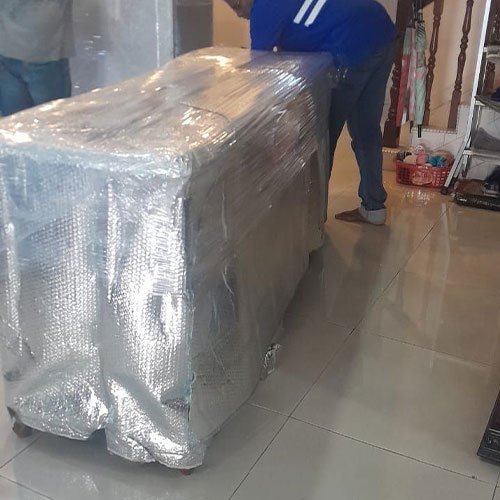
- Wrap furniture with moving blankets or stretch wrap.
- Protect corners with foam padding.
Taking photos before disassembly can make reassembly much easier.
Secure Electronics
Electronics are valuable and delicate.
Whenever possible, use the original packaging. If that’s not available:
- Wrap screens with soft cloths.
- Use bubble wrap for protection.
- Remove batteries.
- Bundle and label cables.
- Place accessories in separate labeled bags.
Backing up important digital files before moving is also a smart precaution.
Handle Clothing Efficiently
Instead of folding everything into boxes, use wardrobe boxes to transport hanging clothes.
For folded clothing:
- Use suitcases.
- Vacuum-seal seasonal clothes.
- Pack shoes separately.
- Fill shoes with socks to maintain their shape.
This saves space and helps keep clothing wrinkle-free.
Keep Important Documents Safe
Never pack important paperwork in moving boxes.
Carry documents with you, including:
- Identification
- Passports
- Property agreements
- Insurance papers
- Financial records
- Medical records
- Birth certificates
Store them in a waterproof folder or document organizer.
Pack the Kitchen Carefully
The kitchen often takes the longest to pack.
Wrap:
- Plates individually
- Glasses separately
- Small appliances securely
Seal liquids tightly and place them in leak-proof bags. Use towels to cushion cookware and utensils.
Discard expired food before moving.
Prepare for Moving Day
Before movers arrive:
- Finish sealing all boxes.
- Label everything.
- Disconnect appliances.
- Charge your phone.
- Keep valuables with you.
- Reserve parking if necessary.
- Keep cleaning supplies handy for final touch-ups.
Being fully prepared helps the moving process run smoothly.
Common Packing Mistakes to Avoid
Many homeowners make the same packing mistakes.
Avoid these common errors:
- Waiting until the last minute
- Overloading boxes
- Mixing items from different rooms
- Forgetting to label boxes
- Using weak packing tape
- Not protecting fragile items
- Packing important documents with household goods
- Leaving empty spaces inside boxes
Proper planning helps you avoid these issues.
Tips from Professional Movers
Experienced movers recommend:
- Pack heavier items in smaller boxes.
- Keep similar items together.
- Use quality packing materials.
- Label boxes on multiple sides.
- Protect furniture with blankets.
- Photograph electronic connections before unplugging them.
- Number your boxes for easy inventory tracking.
- Keep valuable items with you instead of on the moving truck.
These simple practices can save time and reduce the risk of damage.
Final Thoughts
Packing is the foundation of a successful move. Taking the time to plan, organize, and pack carefully will protect your belongings and make your relocation much less stressful. Start early, use quality packing materials, label every box, and keep your essentials close at hand. Whether you’re moving a small apartment or a large family home, following these packing tips will help ensure everything arrives safely and that settling into your new home is a smooth experience.
Frequently Asked Questions (FAQs)
1. When should I start packing for a move?
Begin packing about 4–6 weeks before your moving date, starting with items you use least often.
2. What is the best way to protect fragile items?
Wrap each item individually with bubble wrap or packing paper and fill empty spaces in the box to prevent movement.
3. Should I label every moving box?
Yes. Include the room name, contents, and any handling instructions such as “Fragile” or “This Side Up.”
4. What should I pack in an essentials box?
Include toiletries, medications, chargers, important documents, a change of clothes, snacks, water, and basic kitchen supplies.
5. Can I use old boxes for moving?
You can, but ensure they are clean, dry, and sturdy. Damaged boxes may collapse and cause items to break.
6. How do I pack heavy items?
Use small boxes and place heavier items at the bottom with lighter items on top.
7. Should I disassemble furniture before moving?
Yes. Disassembling large furniture makes it easier to transport and reduces the risk of damage.
8. How can I keep my move organized?
Pack one room at a time, label every box, create an inventory list, and keep important documents with you.
9. Is it worth hiring professional packers?
If you have valuable, fragile, or bulky belongings—or you’re short on time—professional packers can save time and help reduce the risk of damage.
10. What items should not be packed on the moving truck?
Keep passports, IDs, financial documents, jewelry, medications, electronic devices, and other valuables with you during the move.