
Crane Rental and Lifting Services: A Complete Overview
Crane rental and lifting services are essential in construction, industrial operations, logistics, and infrastructure development. These services provide specialized lifting equipment and trained operators to safely handle heavy loads that cannot be moved manually.
Instead of purchasing expensive machinery, most companies prefer renting cranes for short-term or project-based needs. This makes crane rental a cost-effective and flexible solution for businesses of all sizes Crane Rental and Lifting Services.
What Are Crane Rental Services?
Crane rental services involve hiring cranes along with operators and support staff for lifting and moving heavy materials. These services are widely used in Crane Rental and Lifting Services:
- Construction projects
- Industrial plant installations
- Shipping and container handling
- Machinery relocation
- Bridge and infrastructure work
- Emergency lifting operations
A crane rental company typically provides:
- The crane machine (mobile, tower, or hydraulic)
- Certified operator
- Rigging equipment
- Transport and setup services
- Safety supervision
Types of Cranes Used in Rental Services
1. Mobile Cranes
Mobile cranes are mounted on trucks and can move easily between sites. They are commonly used for construction and general lifting tasks Crane Rental and Lifting Services.
2. Tower Cranes
Tower cranes are fixed cranes used for high-rise building construction. They offer high lifting capacity and long reach.
3. Crawler Cranes
These cranes run on tracks and are ideal for rough terrain and heavy lifting operations.
4. Rough Terrain Cranes
Designed for off-road and uneven surfaces, often used in remote construction sites.
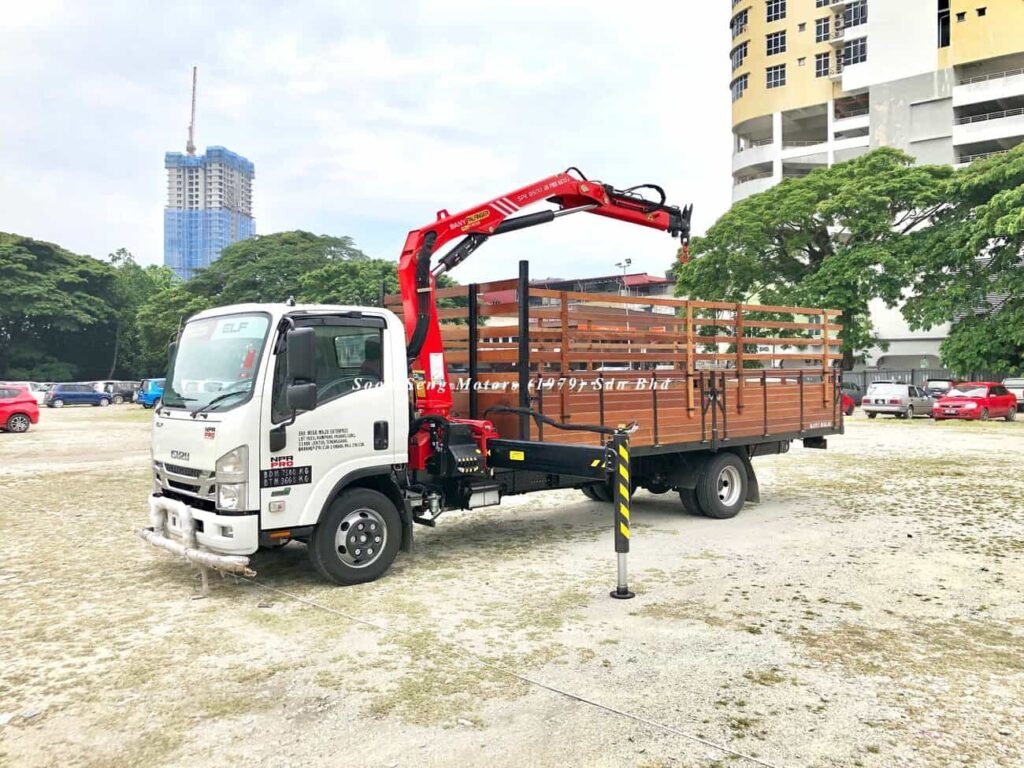
5. Truck Mounted Cranes
These cranes combine mobility and lifting ability, making them suitable for urban and short-term projects.
Applications of Crane Rental Services
Crane services are used in many industries:
Construction
Used for lifting steel beams, concrete slabs, and building materials.
Industrial Sector
Helps install and maintain heavy machinery and factory equipment.
Logistics and Shipping
Used in ports and warehouses for loading and unloading cargo.
Oil and Gas Industry
Supports pipeline installation and heavy equipment handling.
Infrastructure Projects
Used in bridges, highways, and railway construction.
How Crane Rental Works
The rental process is simple:
- Project Assessment – Load weight, height, and site conditions are evaluated
- Crane Selection – Suitable crane type is chosen
- Quotation – Cost is provided based on duration and requirements
- Delivery & Setup – Crane is transported and installed
- Operation – Certified operator performs lifting tasks
- Completion – Equipment is removed after the job Crane Rental and Lifting Services
Safety in Crane Operations
Safety is a top priority in crane lifting services. Key practices include:
- Using trained and certified operators
- Checking load limits before lifting
- Inspecting rigging equipment regularly
- Ensuring stable ground conditions
- Avoiding operations in extreme weather
- Maintaining safety zones around the crane
Factors Affecting Crane Rental Cost
Several factors influence pricing:
- Type of crane required
- Load capacity
- Rental duration (hourly, daily, or monthly)
- Location of the project
- Complexity of the lifting job
- Need for additional manpower
- Crane Rental and Lifting Services
Advantages of Crane Rental Services
- Cost savings compared to buying equipment
- Access to modern machinery
- Professional operators included
- Flexibility for different project needs
- Reduced maintenance responsibility
- Improved safety and efficiency
Challenges in Crane Operations
Despite their usefulness, crane operations come with challenges:
- Weather limitations (wind and rain)
- High safety risks if mishandled
- Limited space in urban areas
- Need for skilled operators
- High planning requirements
Future of Crane Rental Industry
The crane rental industry is evolving with new technology:
- Smart cranes with sensors
- Remote-controlled lifting systems
- Eco-friendly electric cranes
- AI-based load monitoring
- Online booking and scheduling platforms
These advancements are improving safety, efficiency, and productivity in lifting operations.
Conclusion
Crane rental and lifting services are an essential part of modern construction and industrial work. They provide a safe, efficient, and cost-effective solution for handling heavy materials across various sectors. With skilled operators and advanced machinery, crane services help complete complex lifting tasks that would otherwise be impossible.
As technology continues to improve, crane rental services will become even more reliable, automated, and widely used in large-scale development projects.
FAQs
1. What is crane rental service?
It is a service where cranes and operators are hired for temporary lifting work.
2. Why do companies rent cranes instead of buying them?
Because renting is more affordable and flexible for short-term projects.
3. Are operators included in crane rental?
Yes, most rental services provide trained operators.
4. What type of crane is used for construction?
Mobile and tower cranes are commonly used in construction projects.
5. Is crane operation safe?
Yes, when handled by certified professionals following safety procedures.
6. Can cranes be rented for one day?
Yes, many companies offer hourly and daily rental options.
7. What industries use cranes?
Construction, logistics, oil & gas, shipping, and infrastructure sectors.
8. What affects crane rental cost?
Crane type, load capacity, duration, and project complexity.