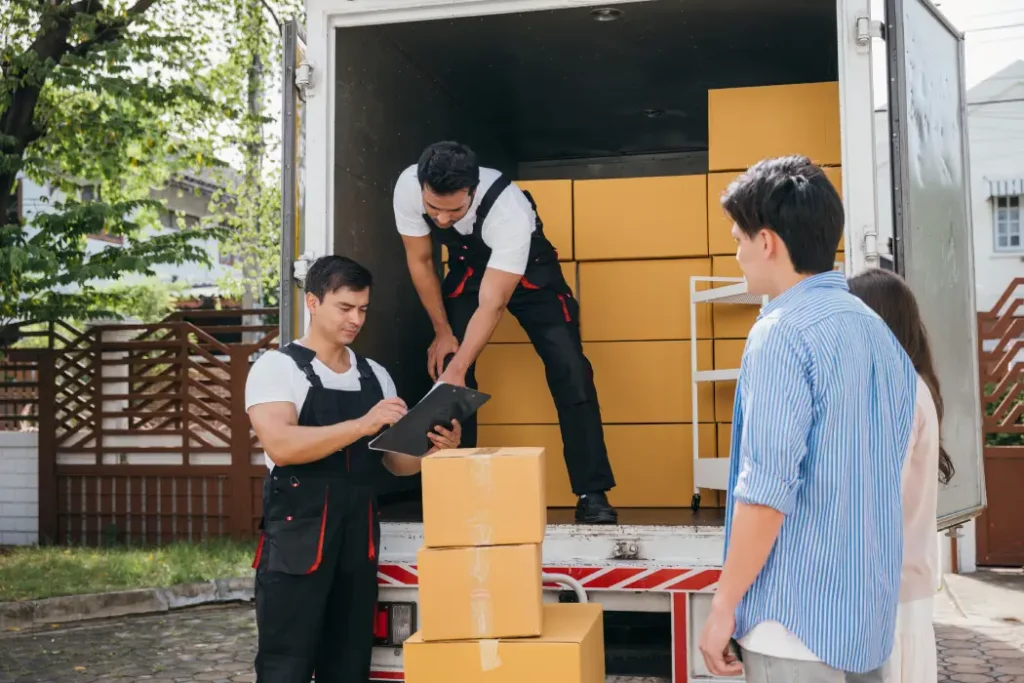
Furniture Transportation: A Complete Guide to Safe and Efficient Moving
Introduction
Furniture transportation is an essential part of residential, commercial, and industrial logistics. Whether moving household furniture to a new home, delivering products to customers, relocating office equipment, or transporting antique items, proper furniture transportation ensures that goods arrive safely, efficiently, and without damage.
The furniture industry depends heavily on transportation services because furniture items are often large, heavy, delicate, and expensive. Sofas, dining tables, beds, wardrobes, office desks, and cabinets require careful handling during loading, transit, and unloading. Poor transportation practices can result in scratches, structural damage, broken parts, and financial losses.
With the rapid growth of urbanization, online furniture shopping, and relocation services, the demand for professional furniture transportation has increased significantly worldwide. Businesses and individuals now seek reliable transportation methods that combine affordability, speed, safety, and convenience.
This article explores the importance of furniture transportation, methods, equipment, challenges, safety practices, technological developments, and future trends while also answering frequently asked questions related to furniture moving and delivery services.
What Is Furniture Transportation?
Furniture transportation refers to the process of moving furniture items from one location to another using specialized vehicles, equipment, and handling techniques. It includes residential moves, office relocations, furniture deliveries, and international shipping operations.
Furniture transportation services may involve:
- Packing and wrapping
- Loading and unloading
- Vehicle transportation
- Assembly and disassembly
- Storage solutions
- Delivery tracking
The goal is to protect furniture from damage while ensuring timely and cost-effective transportation.
Importance of Furniture Transportation
Furniture transportation plays a crucial role in modern society and commerce. It supports homeowners, businesses, retailers, manufacturers, and logistics companies.
Key reasons why furniture transportation is important include:
- Supporting residential relocations
- Enabling furniture retail deliveries
- Assisting office and industrial relocations
- Facilitating international trade
- Improving customer satisfaction
- Protecting valuable assets during movement
Without efficient transportation systems, furniture manufacturers and retailers would struggle to deliver products to customers safely and on time.
Types of Furniture Transportation
Residential Furniture Transportation
Residential transportation involves moving furniture from one home to another. This may occur during:
- House shifting
- Apartment relocation
- Temporary storage moves
- Renovation projects
Residential movers typically transport items such as:
- Beds
- Sofas
- Dining tables
- Wardrobes
- Chairs
- Appliances
Office Furniture Transportation
Office relocation requires specialized transportation for:
- Office desks
- Filing cabinets
- Conference tables
- Computers
- Office chairs
- Shelving systems
Professional movers often provide dismantling and reassembly services for office furniture.
Commercial Furniture Delivery
Furniture retailers and manufacturers deliver products directly to customers using commercial transportation services.
This includes:
- Store-to-home deliveries
- Warehouse distribution
- Bulk deliveries
- E-commerce furniture shipping
International Furniture Shipping
International transportation involves moving furniture across countries using:
- Cargo ships
- Air freight
- Rail transport
- Trucks
This process requires customs documentation, secure packaging, and compliance with international shipping regulations.
Common Vehicles Used in Furniture Transportation
Small Cargo Lorries
Small cargo lorries are widely used for local furniture deliveries and residential moving services.
Advantages include:
- Easy urban navigation
- Lower fuel costs
- Suitable for moderate loads
- Faster local deliveries
Medium and Large Trucks
Larger trucks are used for transporting heavy furniture loads over long distances.
They provide:
- Higher carrying capacity
- Better cargo organization
- Suitable space for commercial deliveries
Container Trucks
Container trucks are used for international and long-distance furniture shipping.
They protect furniture from:
- Rain
- Dust
- Theft
- Environmental damage
Pickup Trucks
Pickup trucks are suitable for transporting smaller furniture items such as chairs, tables, and appliances.
They are commonly used for:
- Local deliveries
- Small residential moves
- Short-distance transportation
Furniture Packing Techniques
Proper packing is one of the most important aspects of furniture transportation.
Bubble Wrap Protection
Bubble wrap protects delicate surfaces from scratches and impacts during transportation.
Commonly protected items include:
- Glass tables
- Wooden furniture
- Decorative items
Furniture Blankets
Moving blankets provide cushioning and reduce vibration damage during transit.
They help protect:
- Sofas
- Cabinets
- Wooden furniture
- Office desks
Stretch Wrapping
Stretch film keeps drawers and doors secured during movement.
Benefits include:
- Dust protection
- Moisture resistance
- Better item stability
Cardboard Packaging
Cardboard boxes are used for detachable furniture components and accessories.
Proper labeling helps simplify unloading and assembly.
Steps in Furniture Transportation
Planning and Inspection
Professional movers first inspect furniture items to determine:
- Size and weight
- Fragile components
- Packing requirements
- Transportation methods
Planning helps reduce delays and damage risks.
Disassembly
Large furniture items are often disassembled before transport.
Examples include:
- Beds
- Dining tables
- Shelving systems
- Office workstations
Disassembly improves safety and saves vehicle space.
Packing
Furniture is carefully wrapped using protective materials to prevent damage during loading and transportation.
Loading
Heavy furniture should be loaded strategically to maintain vehicle balance and protect fragile items.
Movers typically use:
- Trolleys
- Lifting straps
- Ramps
- Dollies
Transportation
Drivers follow planned routes to ensure safe and timely deliveries.
Factors affecting transportation include:
- Traffic conditions
- Weather
- Road quality
- Distance
Unloading and Reassembly
After reaching the destination, furniture is unloaded carefully and reassembled if necessary.
Professional movers often assist customers with furniture placement.
Challenges in Furniture Transportation
Risk of Damage
Furniture can suffer damage from:
- Rough handling
- Poor packing
- Road vibrations
- Moisture exposure
Common damages include scratches, dents, broken legs, and torn upholstery.
Heavy Weight and Large Size
Large furniture items are difficult to move through:
- Staircases
- Elevators
- Narrow hallways
- Tight doorways
This requires skilled handling and proper equipment.
Weather Conditions
Rain, heat, and humidity can damage wooden and upholstered furniture during transportation.
Protective coverings are essential for outdoor loading and unloading.
Traffic Delays
Urban traffic congestion may affect delivery schedules and increase transportation costs.
Fuel Costs
Rising fuel prices significantly impact transportation expenses for moving companies and logistics providers.
Safety Practices in Furniture Transportation
Proper Lifting Techniques
Incorrect lifting methods can cause injuries and furniture damage.
Workers should:
- Lift with their legs
- Avoid twisting movements
- Use team lifting for heavy items
Use of Safety Equipment
Movers often use:
- Gloves
- Safety shoes
- Back support belts
- Trolleys
These tools reduce injury risks during loading and unloading.
Cargo Securing
Furniture must be secured properly inside vehicles using:
- Straps
- Ropes
- Locks
- Padding systems
This prevents movement during transit.
Driver Safety
Drivers should follow road safety regulations and avoid:
- Speeding
- Sudden braking
- Overloading vehicles
Technology in Furniture Transportation
GPS Tracking
Modern transportation companies use GPS systems for:
- Real-time tracking
- Route optimization
- Delivery updates
Customers can monitor shipment progress easily.
Fleet Management Software
Logistics companies use digital software to manage:
- Vehicle scheduling
- Fuel usage
- Driver performance
- Maintenance records
Online Booking Systems
Customers can now book transportation services online and receive instant cost estimates.
This improves convenience and operational efficiency.
Digital Inventory Systems
Movers use barcode and inventory systems to track furniture items during transportation and storage.
Furniture Transportation for E-Commerce
The rise of online furniture shopping has transformed logistics operations.
E-commerce furniture transportation requires:
- Fast delivery systems
- Secure packaging
- Efficient warehousing
- Customer communication
Many companies now offer same-day or next-day furniture delivery services.
Eco-Friendly Furniture Transportation
Environmental concerns are encouraging sustainable transportation practices.
Eco-friendly methods include:
- Electric delivery vehicles
- Fuel-efficient trucks
- Route optimization software
- Recyclable packaging materials
Sustainable transportation helps reduce carbon emissions and fuel consumption.
Choosing a Furniture Transportation Company
Experience and Reputation
Customers should choose companies with positive reviews and industry experience.
Experienced movers handle furniture more safely and efficiently.
Insurance Coverage
Insurance protects customers from financial losses caused by transportation damage.
Pricing Transparency
Reliable companies provide clear pricing without hidden charges.
Availability of Equipment
Professional transportation companies should have:
- Protective packing materials
- Loading tools
- Suitable vehicles
- Skilled staff
Cost Factors in Furniture Transportation
Transportation costs vary depending on several factors.
Distance
Long-distance transportation generally costs more because of fuel and labor expenses.
Furniture Volume and Weight
Large and heavy furniture items require larger vehicles and additional workers.
Packing Services
Professional packing services increase transportation costs but improve safety.
Accessibility
Transportation becomes more difficult and expensive in buildings without elevators or with narrow staircases.
Storage Requirements
Temporary storage solutions may add additional fees.
Future Trends in Furniture Transportation
Electric Delivery Vehicles
Electric trucks and vans are becoming more common in urban furniture delivery systems.
Benefits include:
- Lower emissions
- Reduced fuel costs
- Quiet operation
Automation and Robotics
Automated loading systems and robotic warehouse operations are improving logistics efficiency.
Artificial Intelligence
AI-based systems help optimize:
- Delivery routes
- Fuel consumption
- Fleet management
- Customer scheduling
Smart Packaging
Advanced packaging materials provide better protection while reducing environmental waste.
Importance of Professional Furniture Movers
Hiring professional movers offers several advantages.
Reduced Damage Risk
Professionals understand proper handling and packing techniques.
Faster Transportation
Experienced teams complete loading and unloading more efficiently.
Convenience
Customers avoid the stress and physical strain of moving heavy furniture themselves.
Insurance Protection
Professional companies often provide damage coverage and liability protection.
Furniture Transportation in Developing Economies
In developing countries, furniture transportation supports:
- Local manufacturing industries
- Retail businesses
- Housing development
- Economic growth
Small transport businesses and independent movers also create employment opportunities within local economies.
Conclusion
Furniture transportation is a vital component of modern logistics and daily life. Whether moving household items, delivering commercial products, or transporting office equipment, efficient furniture transportation ensures safety, convenience, and operational success.
Advancements in vehicle technology, GPS tracking, digital logistics systems, and eco-friendly transportation solutions are transforming the industry. As urbanization, online shopping, and global trade continue to grow, the demand for reliable furniture transportation services will increase even further.
Businesses and individuals alike benefit from professional transportation services that prioritize safety, efficiency, affordability, and customer satisfaction.
Frequently Asked Questions (FAQs)
1. What is furniture transportation?
Furniture transportation is the process of moving furniture items from one location to another using vehicles, packing materials, and specialized handling methods.
2. What vehicles are commonly used for furniture transportation?
Common vehicles include cargo lorries, pickup trucks, moving vans, container trucks, and large transport trailers.
3. Why is furniture packing important?
Proper packing protects furniture from scratches, dents, moisture, and breakage during transportation.
4. How can furniture damage be prevented during moving?
Damage can be prevented through proper wrapping, secure loading, careful handling, and using protective materials like blankets and bubble wrap.
5. Are professional furniture movers worth hiring?
Yes, professional movers reduce damage risks, save time, provide insurance protection, and improve transportation efficiency.
6. What affects furniture transportation costs?
Costs depend on distance, furniture size, packing requirements, labor, accessibility, and storage needs.
7. Can furniture be transported internationally?
Yes, furniture can be shipped internationally using cargo ships, air freight, rail transport, and container trucks.
8. What is the role of GPS in furniture transportation?
GPS systems help track deliveries, optimize routes, and improve customer communication.
9. Are electric vehicles used in furniture transportation?
Yes, many companies are adopting electric delivery vehicles to reduce fuel costs and environmental pollution.
10. How should fragile furniture items be transported?
Fragile items should be wrapped carefully, cushioned properly, secured tightly, and handled gently during loading and unloading.